



RELATED EVENTS


Kavala, Greece: Walk in the Footsteps of the Apostle Paul
Before the Apostle Paul preached in Philippi and Lydia opened her heart to the gospel, a ship sailed into the port of Neapolis. Today, we know that port as Kavala, Greece.
Imagine arriving by sea as Paul did nearly 2,000 years ago. The city rises from the harbor, crowned by a fortress. Fishing boats bob along the waterfront. Stone arches tower above the streets. And somewhere beyond the city, an ancient road leads toward Philippi.
For Christian travelers, Kavala offers something increasingly rare: a beautiful Mediterranean destination with the rich heritage of Paul’s missionary efforts and the early church's growth.
TL;DR: Why Is Kavala Important to Christian Travelers?
- Walk in the footsteps of the Apostle Paul in ancient Neapolis, where he first arrived in Europe.
- Explore nearby ancient Philippi, including its Roman ruins, early Christian sites and places connected to Paul and Silas.
- Visit Lydia’s baptismal site beside the river where Acts 16 records her encounter with Paul.
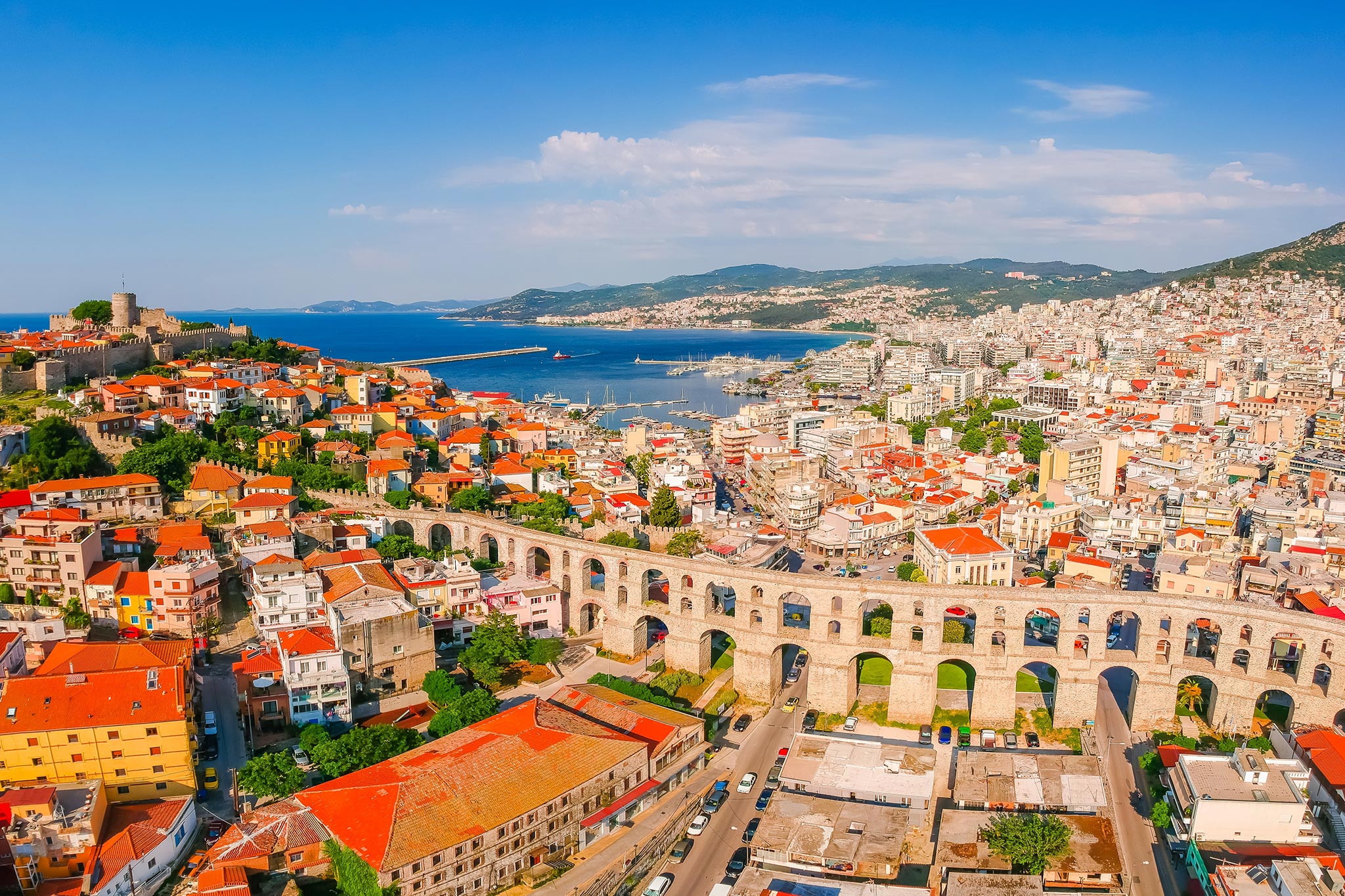
- Experience modern Kavala, from its hilltop fortress and cobblestone old town to the Kamares Aqueduct and Aegean waterfront.
- Taste local Greek favorites, including fresh seafood, souvlaki and Kavala’s famous almond-butter cookies.
- Connect Kavala to Paul’s larger journey through Greece and experience the geography behind the New Testament.
Begin Where Paul Entered Europe
Acts records Paul sailing from Troas to Samothrace and then to Neapolis before traveling inland to Philippi (Acts 16:11–12). Modern Kavala stands on the site of that ancient port.
Near the Church of St. Nicholas, a mosaic monument honors Paul’s arrival. Pause here before exploring the rest of the city. This was the beginning of a journey that would help carry the gospel deeper into Europe.
From Neapolis, Paul and his companions traveled along the Via Egnatia, the great Roman road that connected cities across the empire, toward Philippi. The Bible changes the way you experience Kavala. The harbor becomes more than a pretty place to photograph. The landscape becomes part of the New Testament story.
That is one of the gifts of Christian travel: Scripture’s geography becomes real to you. Places you’ve read about for years now have roads, hills, distances and horizons.
Step Into Acts 16 at Ancient Philippi
About 30 minutes from Kavala, the Archaeological Site of Philippi is the essential excursion for Christian travelers visiting this region.
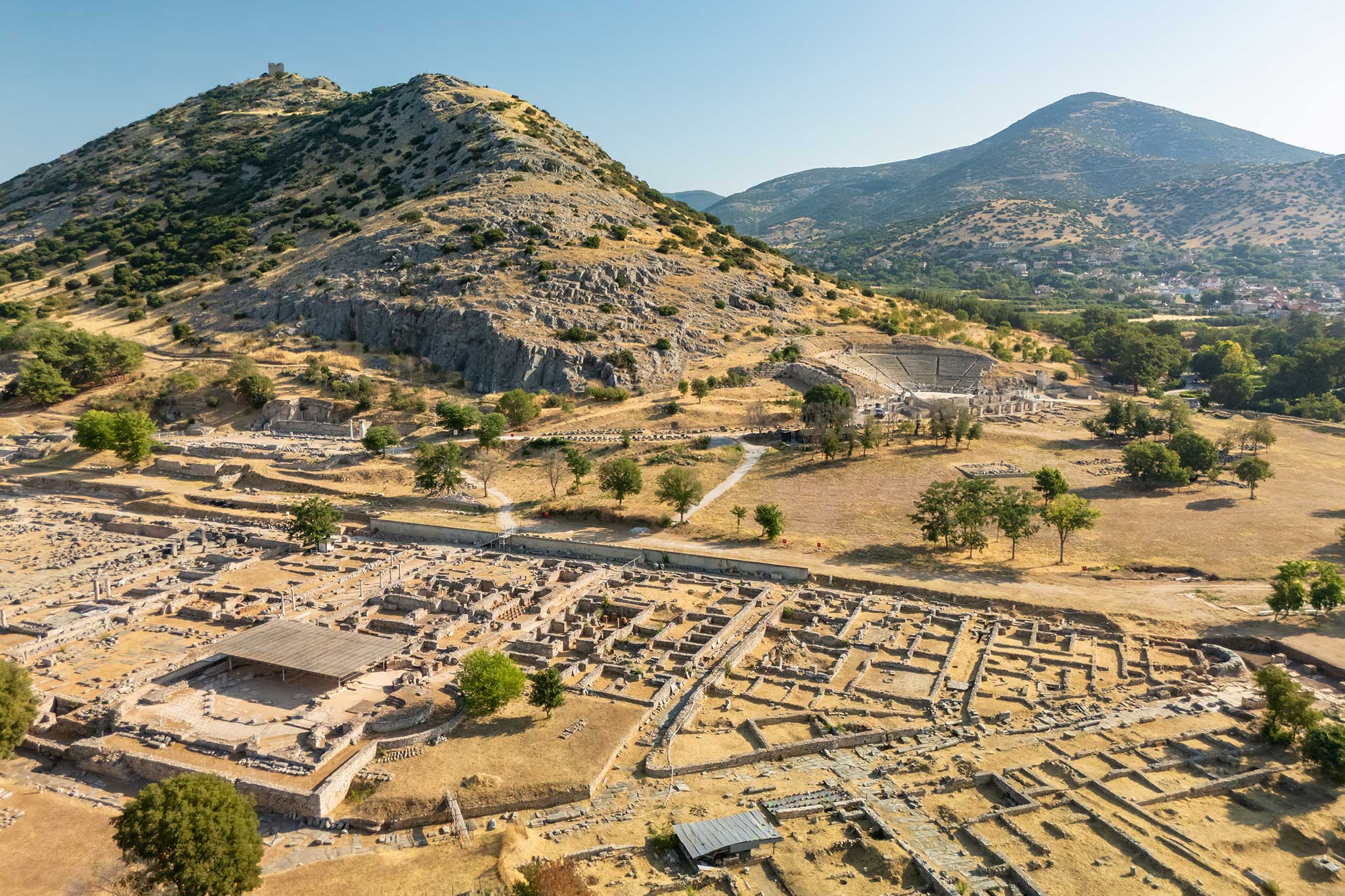
Long before Paul arrived, Philippi was already significant. Philip II of Macedon, the father of Alexander the Great, took control of the city in the fourth century B.C. It later became a Roman colony, and its location along the Via Egnatia made it an important crossroads.
Then Paul arrived.
As you walk through ancient Philippi today, remnants of the Roman city surround you: the forum, theater, ancient roads and the remains of early Christian basilicas. The site became a UNESCO World Heritage Site in 2016, recognized for both its Roman history and its importance to early Christianity.
For New Testament readers, Philippi carries another layer of meaning.
Acts 16 tells of Paul and Silas being beaten and imprisoned here after Paul cast a spirit out of an enslaved girl. At midnight, as they prayed and sang hymns, an earthquake shook the prison and opened its doors (Acts 16:25–26).
Tradition identifies a small structure at the archaeological site as Paul’s prison. While historians cannot confirm the precise location, standing within the ancient city gives the familiar account a physical setting: See the stones, walk the streets and feel the sun.
Follow Lydia’s Story Beside the River
Not every pivotal moment in Acts 16 happened amid monumental architecture. One of its most moving stories unfolded beside the water.
Outside Philippi, Paul encountered a group of women gathered near a river for prayer. Among them was Lydia, a seller of purple cloth from Thyatira. Acts tells us that “the Lord opened her heart to respond to Paul’s message” (Acts 16:14).
Lydia and members of her household were baptized, and her home became a place of hospitality for Paul and his companions.
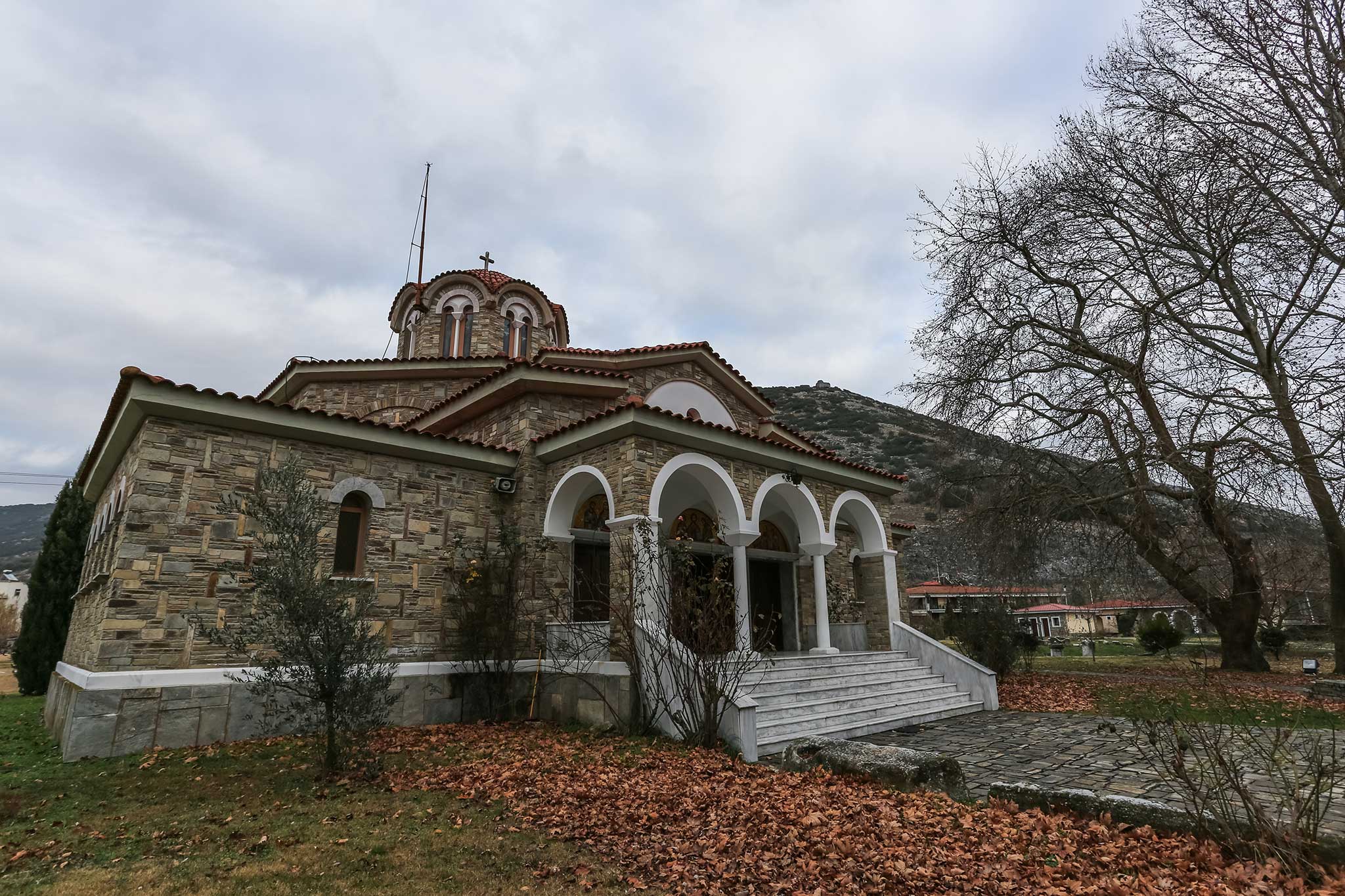
Today, travelers can visit the Baptistery of St. Lydia near the River Zygaktis. The modern church is filled with mosaics and stained glass, while an outdoor baptismal area beside the river recalls the story recorded in Acts.
After the scale of ancient Philippi, this quieter setting offers a different experience. Reflect on the woman who prayed, heard a message that changed her life and became part of a story that continues to impact us today.
Discover the Kavala Beyond the Bible
Aside from its rich biblical heritage, the coastal gem of Kavala is worth exploring.
Begin in the Panagia Quarter, Kavala’s old town, where narrow cobblestone lanes rise above the sea. Historic homes crowd the hillside, colorful details peek from balconies and the Aegean Sea shimmers between buildings as you wander.
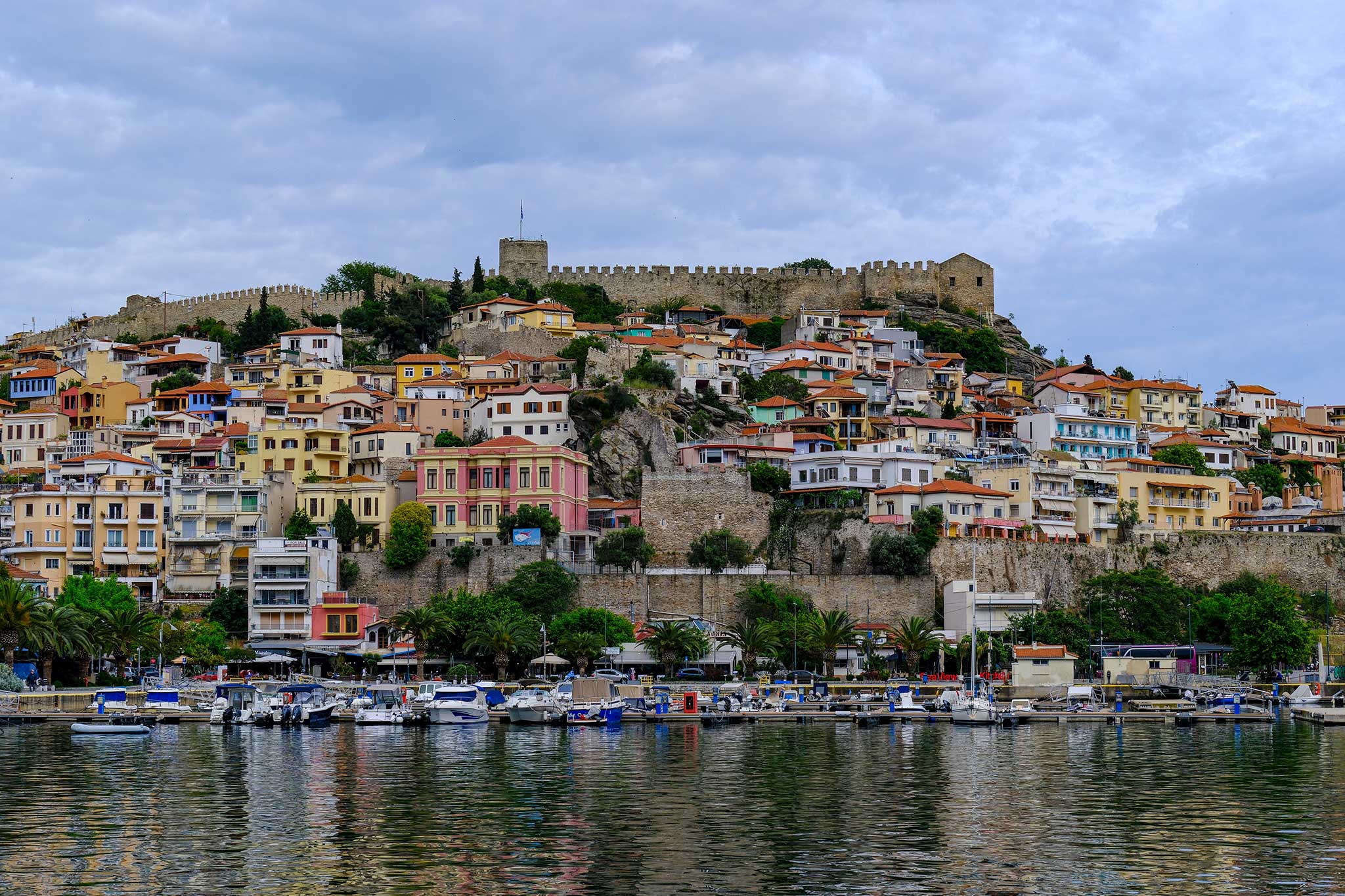
Above it all stands Kavala Fortress. The climb rewards you with panoramic views over terra-cotta rooftops, the harbor and the brilliant blue water beyond.
Then look for one of the city’s most recognizable landmarks: the Kamares Aqueduct. Its long row of stone arches cuts dramatically through modern Kavala. The structure dates to the 16th century, adding another chapter to a city shaped by ancient Byzantine and Ottoman history.
Eventually, stroll back toward the waterfront. Here, Kavala feels distinctly Mediterranean: fishing boats in the harbor and cafes and restaurants along the water, with the old town rising behind you.
Taste Classic Greek Dishes
After walking through ruins, climbing cobblestone streets and tracing centuries of history, find a table to share with your new friends. Seafood is a natural choice in this port city. Grilled octopus, calamari and freshly prepared fish appear on menus alongside familiar Greek flavors: olive oil, lemon and herbs.
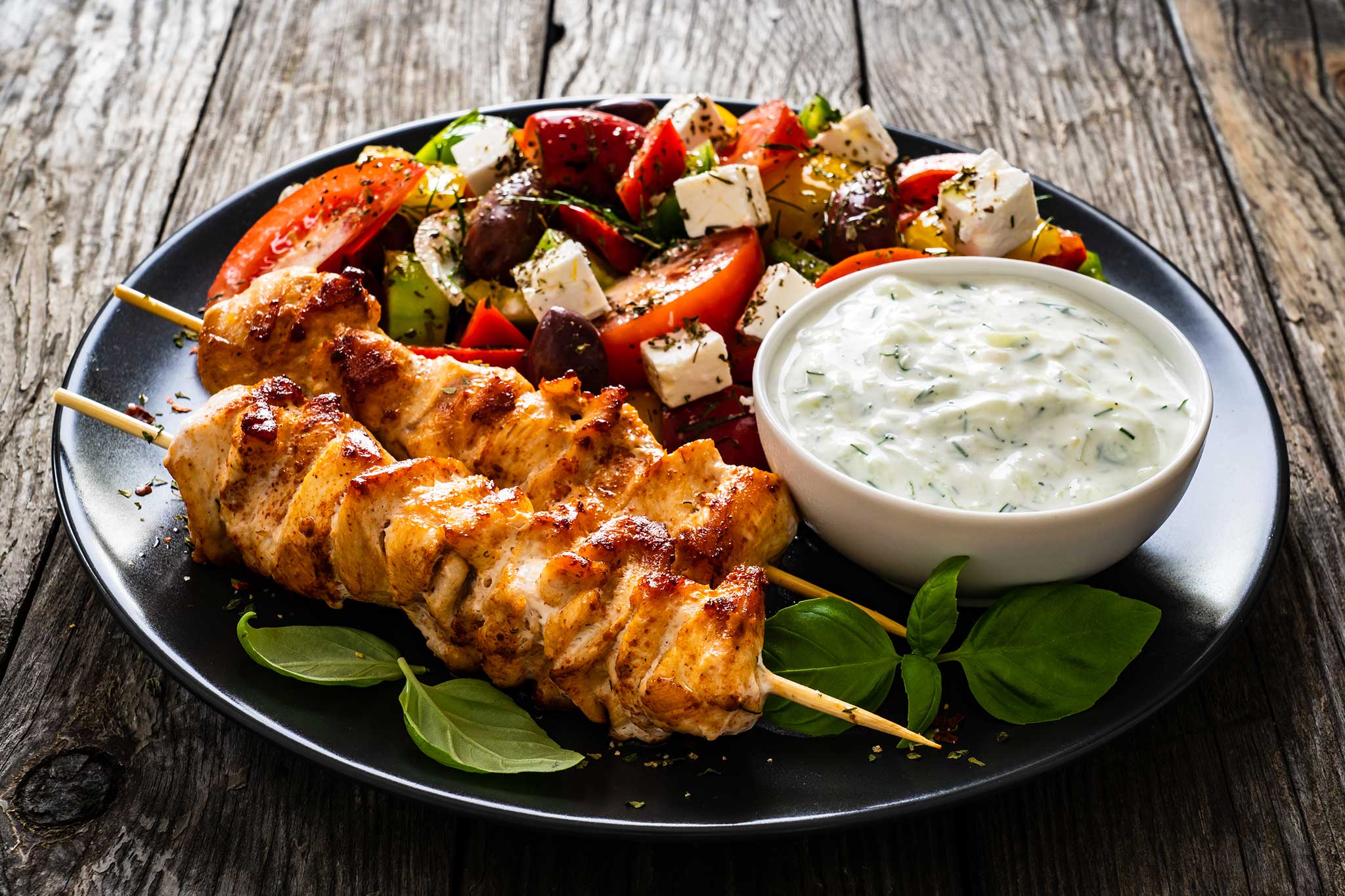
The meal itself is only part of the experience. Embrace the Greek culture of lingering at the table. Sit beside the water. Talk about what surprised you at Philippi. Compare photos. Watch boats move through the harbor, then order a famous Kavala kourabie (an almond-butter cookie covered in icing).
See Kavala as Part of a Bigger Story
Kavala is one chapter in a much larger journey.
Paul continued from Philippi to Thessaloniki, Berea, Athens and Corinth. His missionary travels would eventually carry him toward Rome, and the communities established throughout this region shaped the early church.
Traveling through the Mediterranean helps you understand the distances Paul traveled, the cultures he entered and his courage in carrying the gospel from city to city.
In Athens, you can think about Paul speaking at the Areopagus. In Rome, you can explore the story of believers who lived out their faith in the heart of the Roman Empire. Throughout Greece, you'll encounter cities and landscapes connected to people whose stories still shape our faith today.
For more ideas as you explore Greece, read our guide to the top experiences in the Greek isles.
Why Christian Travel in Kavala Feels Different
Kavala offers all the beauty you hope for in Greece: the blue Aegean, hillside views, cobblestone streets, and seafood by the water. But its deepest impression may come from realizing where you are.
Paul arrived here. A short distance away, Lydia listened beside a river. Paul and Silas sang in the darkness of a prison and a community of believers grew.
Nearly 2,000 years later, you can arrive by sea, travel toward Philippi and read Acts 16 with the landscape spread out around you. That is what makes Christian travel in Kavala so meaningful. You’re not simply learning more about the New Testament. You’re experiencing the geography behind it, and returning to Scripture with fresh eyes.
Ready to walk in the footsteps of Paul?
Explore our upcoming Mediterranean cruises and experience the history, beauty and faith of this extraordinary region for yourself.
Mediterranean Cruises
Trace New Testament biblical history in ancient cities and savor exquisite cuisine.